
Monza Circuit
📍 Monza, Italy
About This Circuit
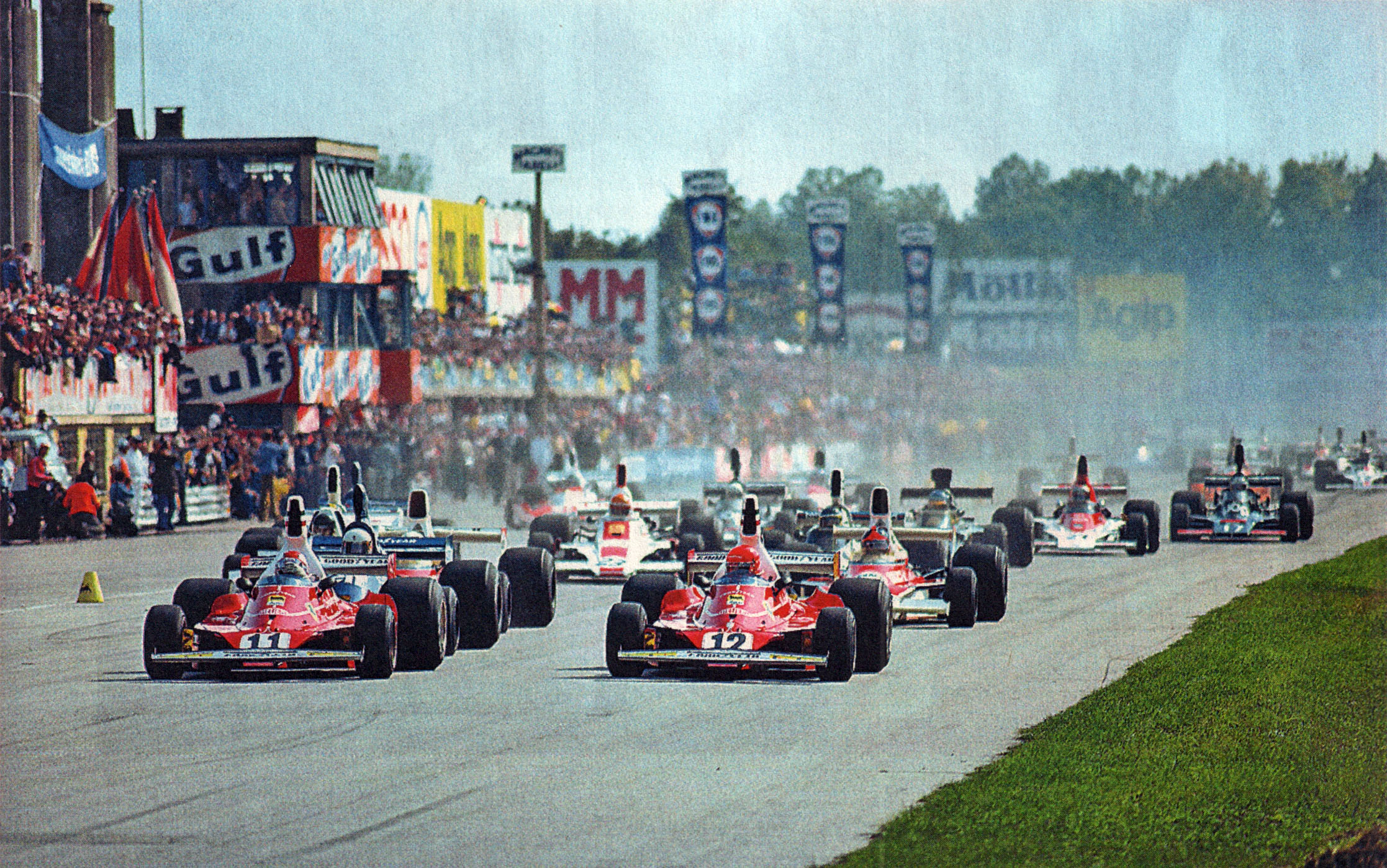
The Monza Circuit, officially called the Autodromo Nazionale Monza (Italian for 'Monza National Autodrome'), is a 5.793 km (3.600 mi) race track near the city of Monza, north of Milan, in Italy. Built in 1922, it was the world's third purpose-built motor racing circuit after Brooklands and Indianapolis, and the oldest in mainland Europe. The circuit's biggest event is the Italian Grand Prix. With the exception of the 1980 running when the track was closed while undergoing refurbishment, the race has been hosted there since 1949. The circuit is also known as "the Temple of Speed" due to its long straights and high-speed corners. Built in the Royal Villa of Monza park in a woodland setting, the site has three tracks – the 5.793 km (3.600 mi) Grand Prix track, the 2.405 km (1.494 mi) Junior track, and a 4.250 km (2.641 mi) high speed oval track with steep bankings, which was left unused for decades and had been decaying until it was restored in the 2010s. The major features of the main Grand Prix track include the Curva Grande, the Curva di Lesmo, the Variante Ascari, and the Curva Alboreto (formerly Curva Parabolica). The high-speed curve, Curva Grande, is located after the Variante del Rettifilo, which is located at the end of the front straight or Rettifilo Tribune, and is usually taken flat out by Formula One cars. In addition to Formula One, the circuit previously hosted the 1,000 km Monza, an endurance sports car race held as part of the World Sportscar Championship and the Le Mans Series. Monza also featured the unique Race of Two Worlds events, which attempted to run Formula One and USAC National Championship cars against each other. The racetrack also previously held rounds of the Grand Prix motorcycle racing (Italian motorcycle Grand Prix), WTCC, TCR International Series, Superbike World Championship, Formula Renault 3.5 Series, and Auto GP. Monza currently hosts rounds of the Blancpain GT Series Endurance Cup, International GT Open, and Euroformula Open Cham
Source: Wikipedia →Racing Intelligence
Tactical Notes
High-speed circuit where slipstream and DRS are highly effective. Low-downforce setups favoured. Straight-line speed is crucial for overtaking. Tyre management important on long high-speed runs.
Strategy Notes
Multiple pit-stop strategies are viable due to easy overtaking. Undercut and overcut opportunities depend on tyre degradation. DRS trains can form, affecting overtaking ability in traffic.